Building on empty
berlin's duality of space
In September 2026, the installation and exhibition Building on Empty confronted visitors with Berlin's duality of space. It visualized the complexity of the housing crisis and the central role Tempelhofer Feld plays in it. In a city where people search for housing they cannot find, a vacant apartment becomes a choice: a choice made by someone that profit matters more than housing. This event was a critique of profit-driven planning, and a defense of green voids and our rights to the city.
Across three parts of the building, the installation moved visitors from the outside in, from who gets left out, to what gets called empty, to the void that is quietly full.
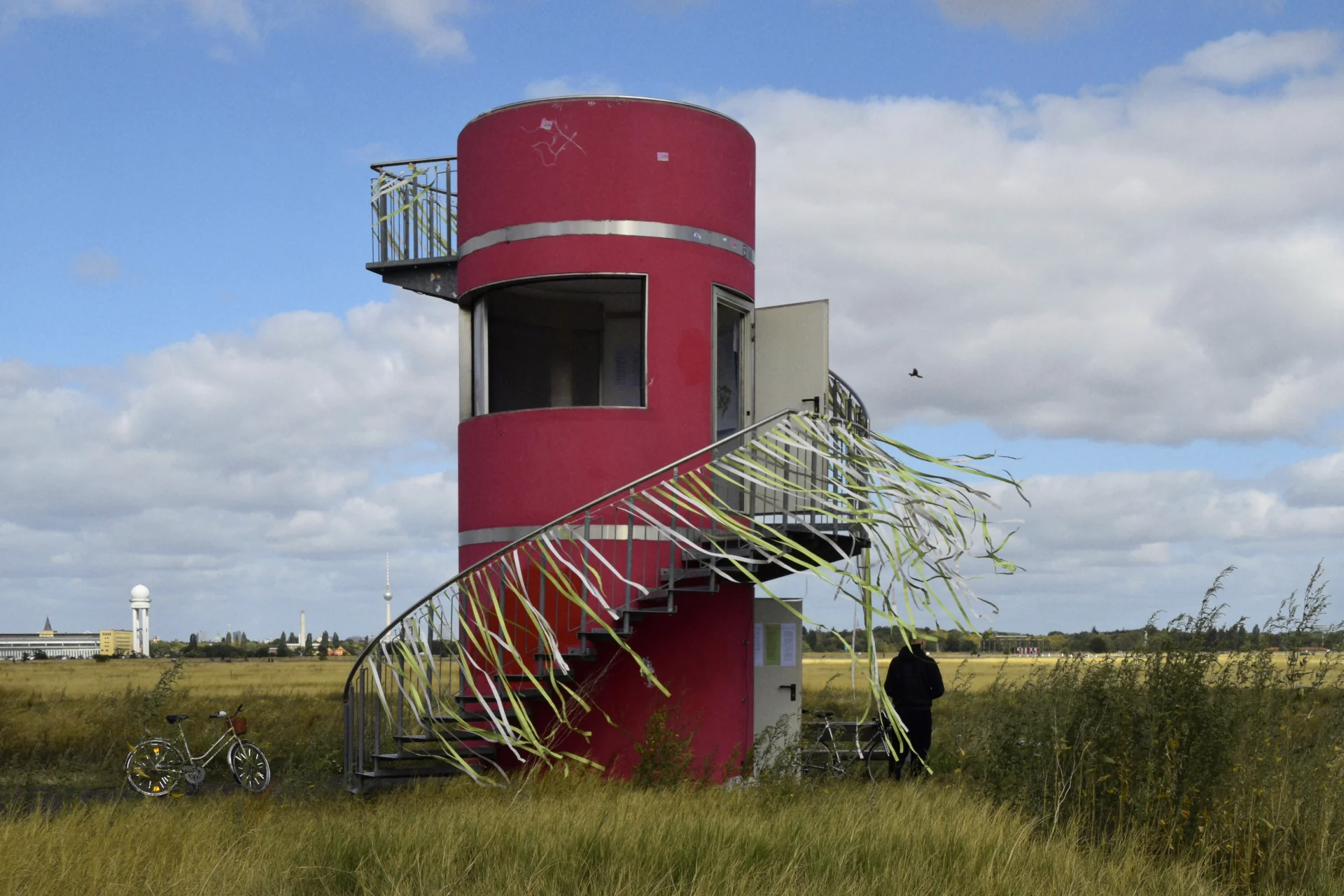
This exhibition took place at POV Art Gallery on Tempelhofer Feld.
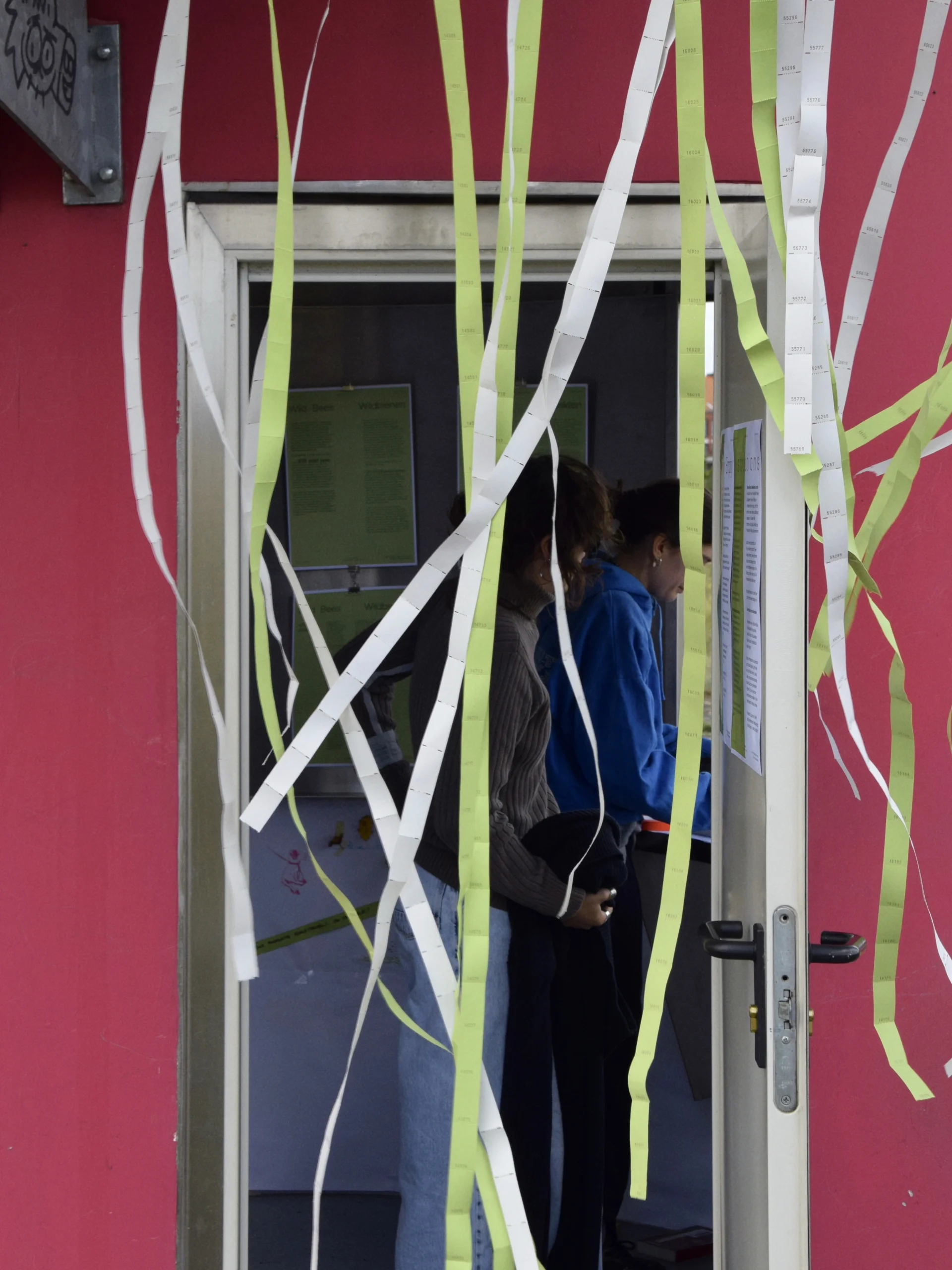
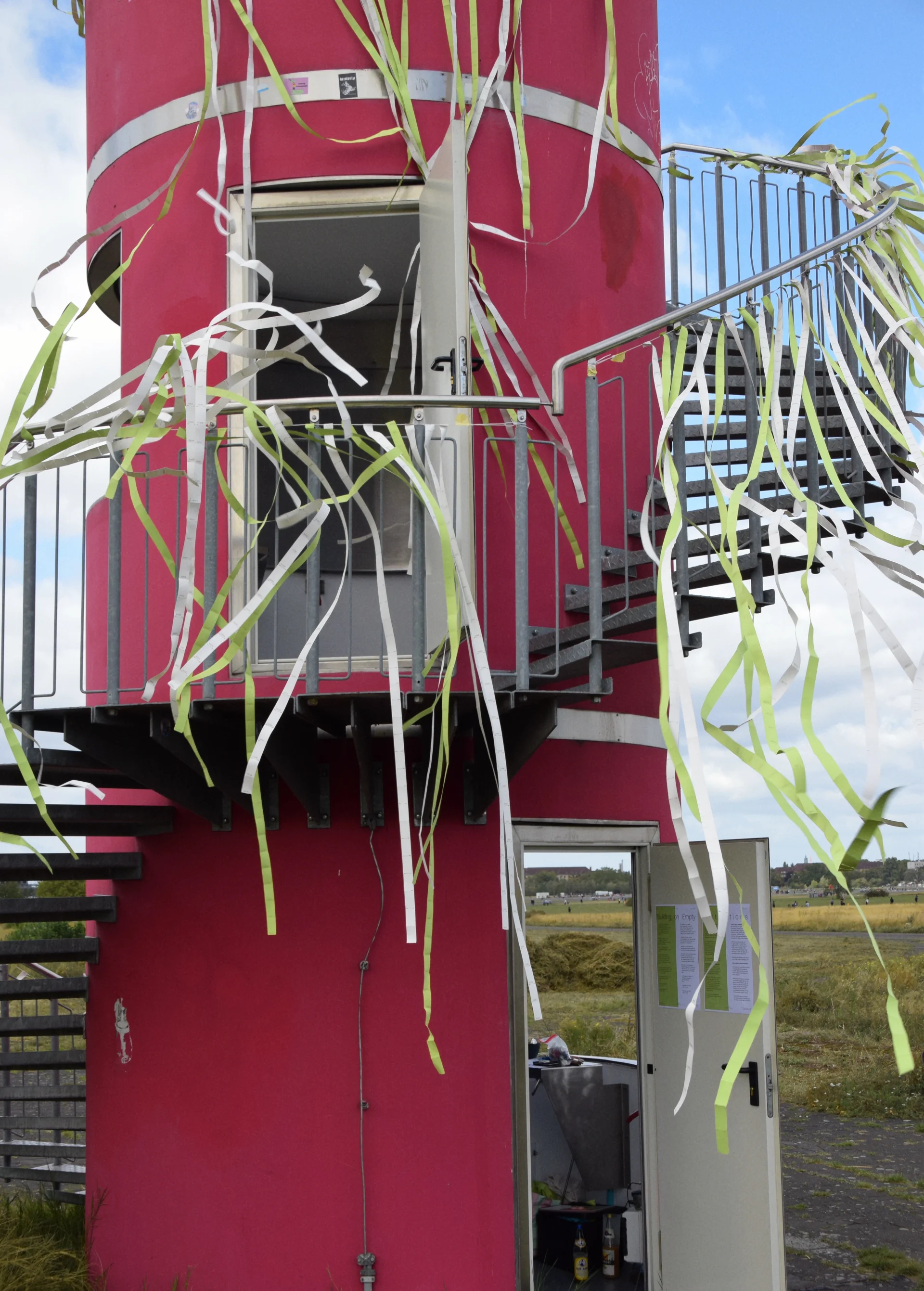

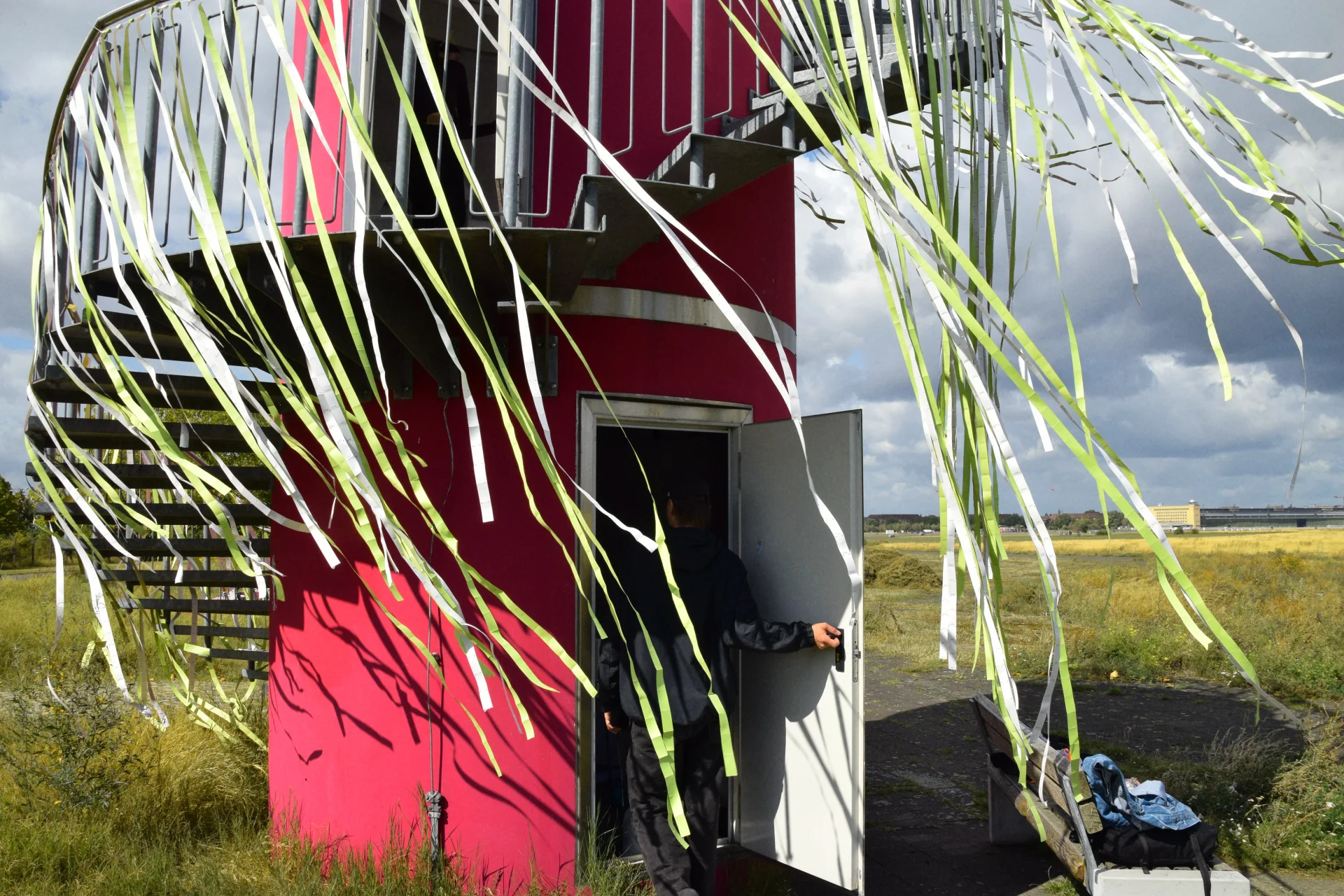
outside
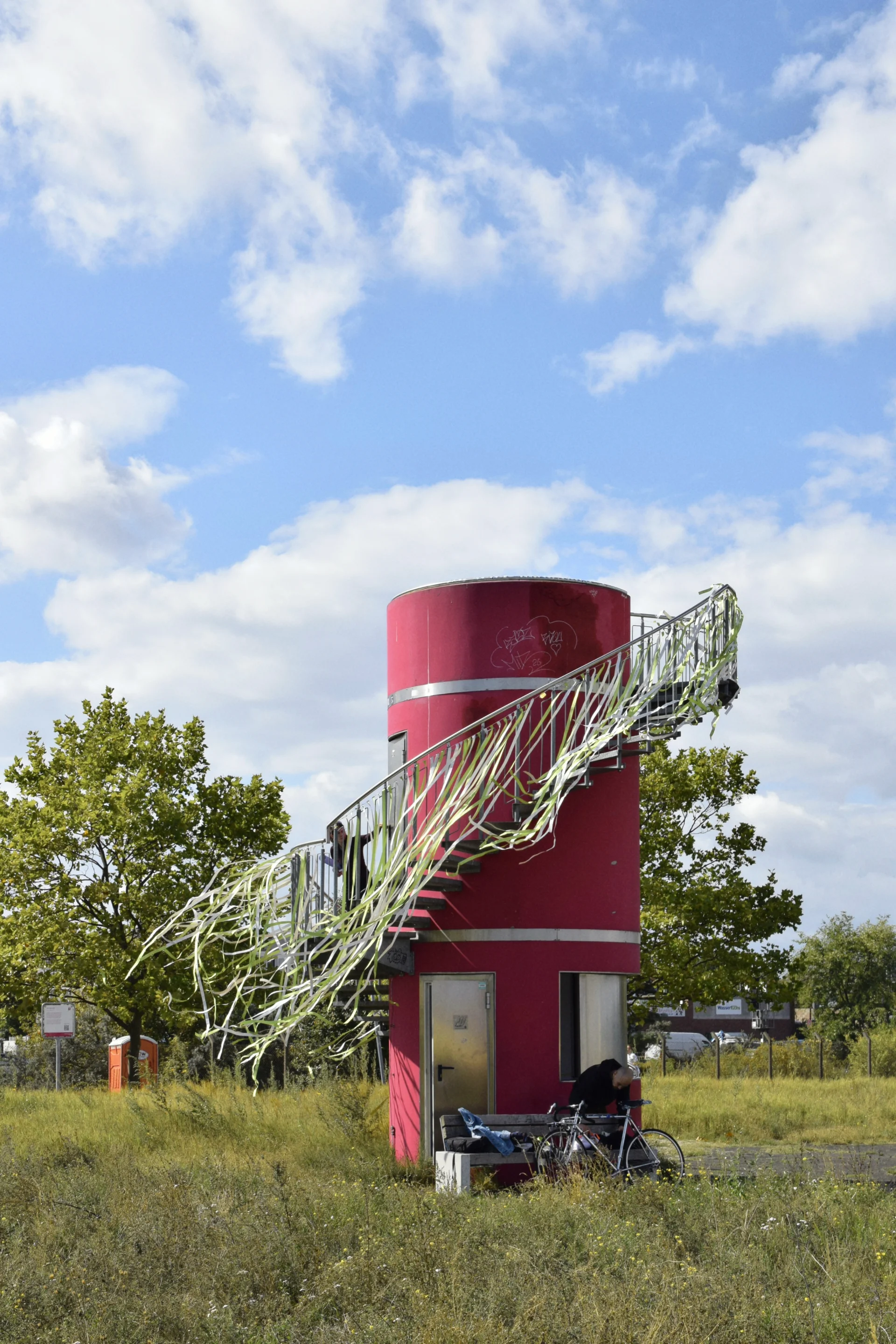
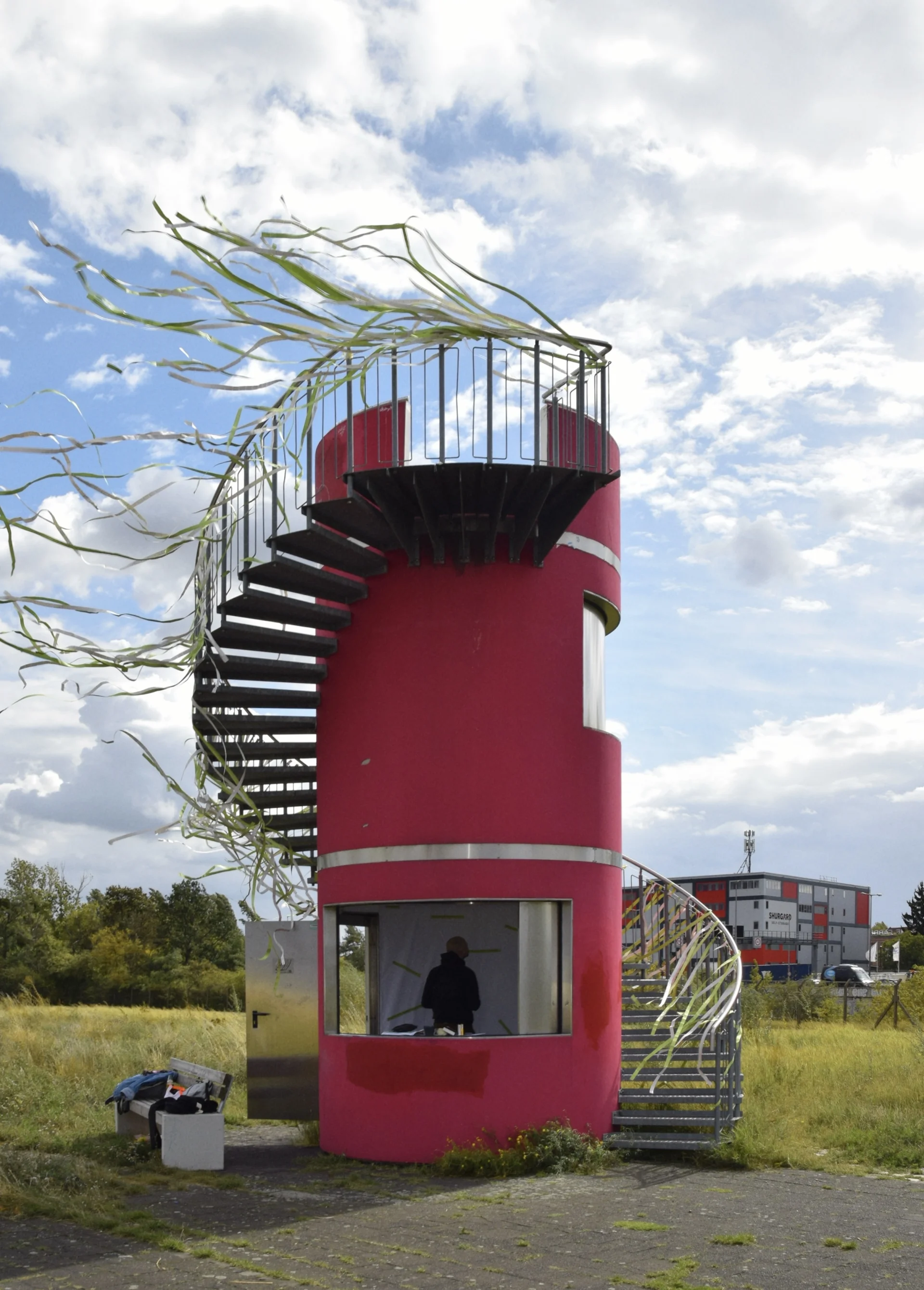
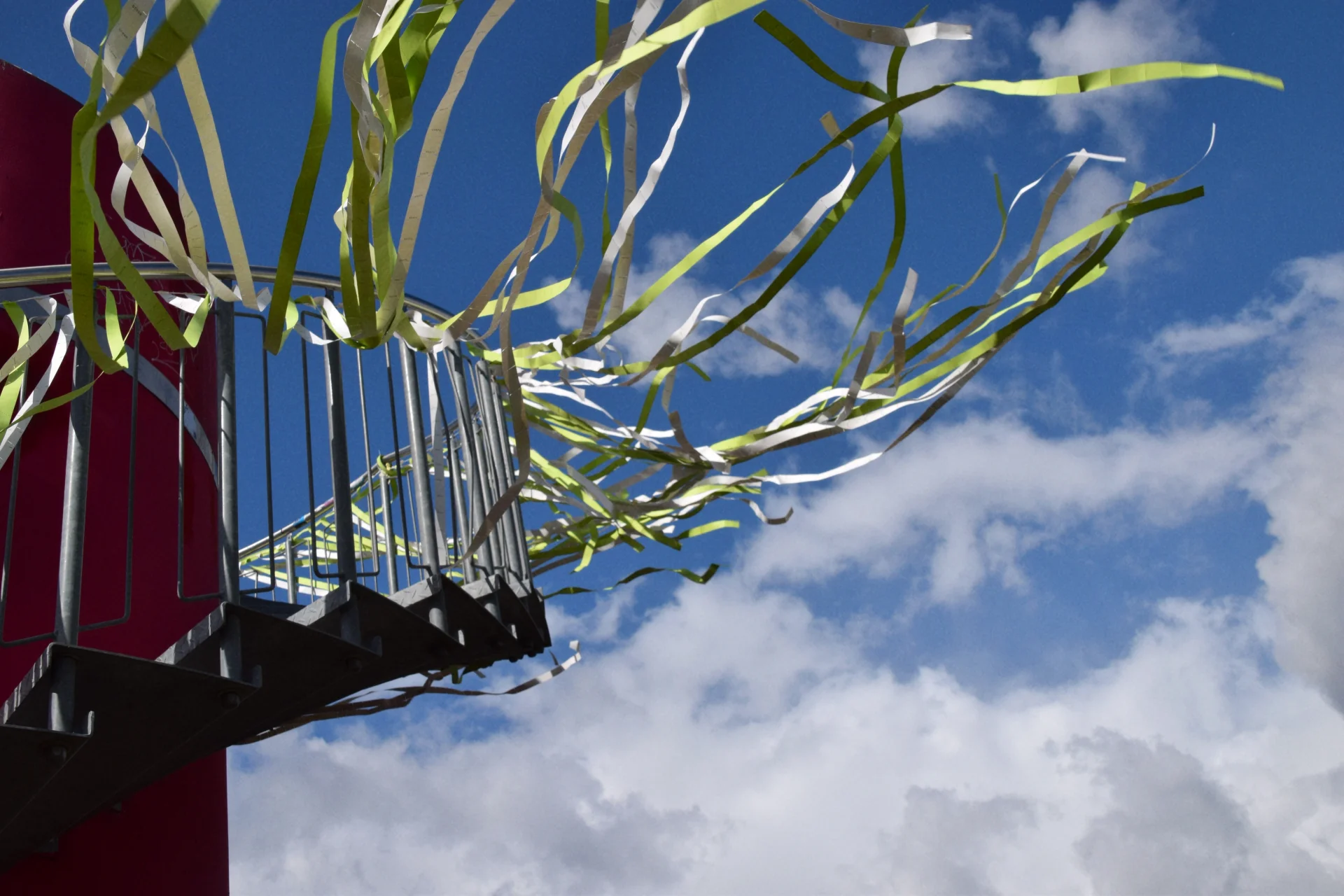
The outside staircase of the round building was used to create an installation made of green and white lottery tickets, playfully moving with the wind. The white tickets stood for everyone's right to housing. Each ticket, Los, represented one unsheltered homeless person, Wohnungslos, of which 6.032 were counted in Berlin in February 2024. The green tickets stood for every resident's right to nature.
The two colors emphasized the project's refusal to choose between the right to nature and the right to housing.
emptiness
Inside the Gallery, the first floor made Berlin's real emptiness visible: 40.681 apartments stood vacant across Berlin on the 2022 census date. Not every empty apartment tells the same story. In Berlin, many of these apartments are kept empty for speculative and strategic reasons, raising sale or rent prices.
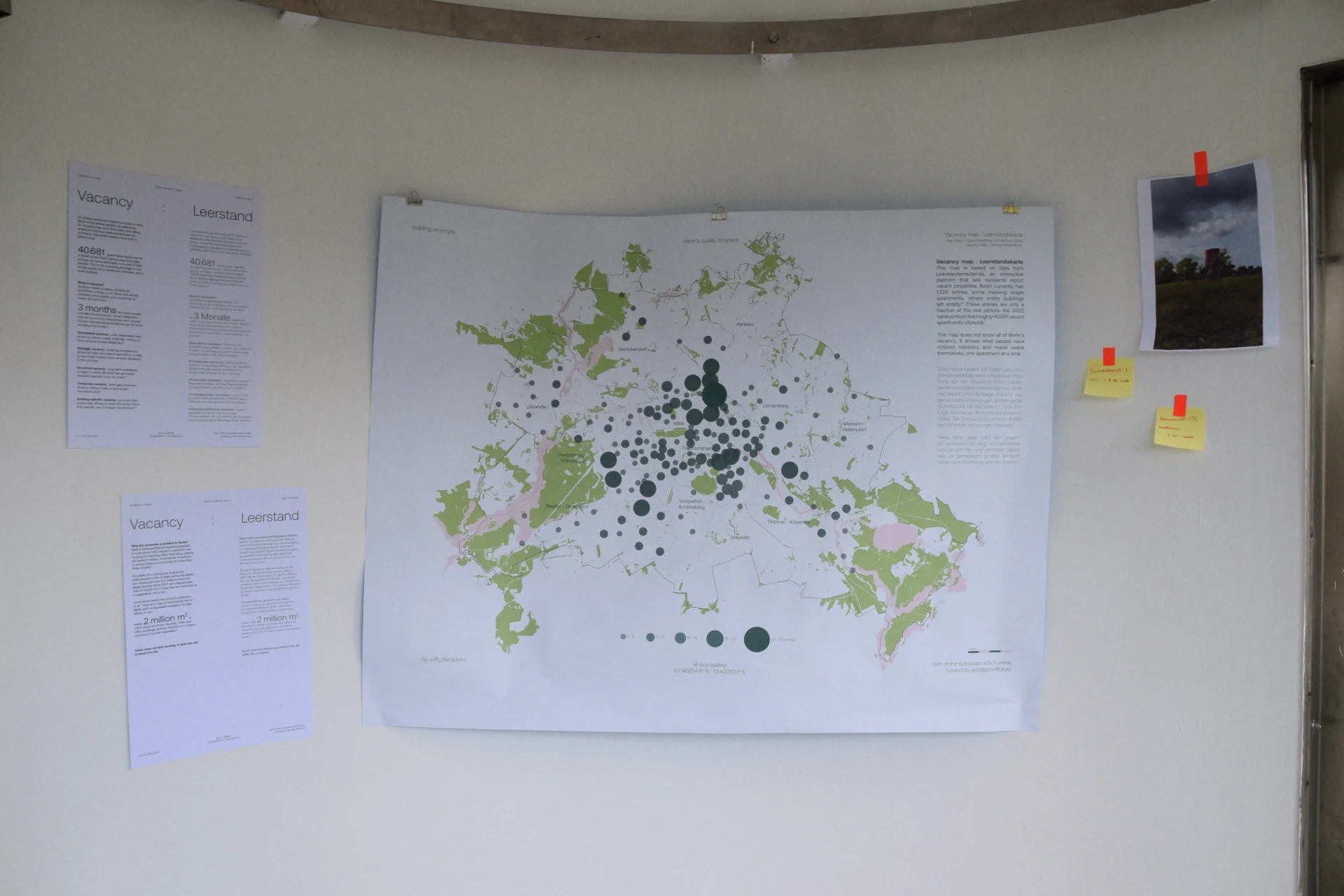
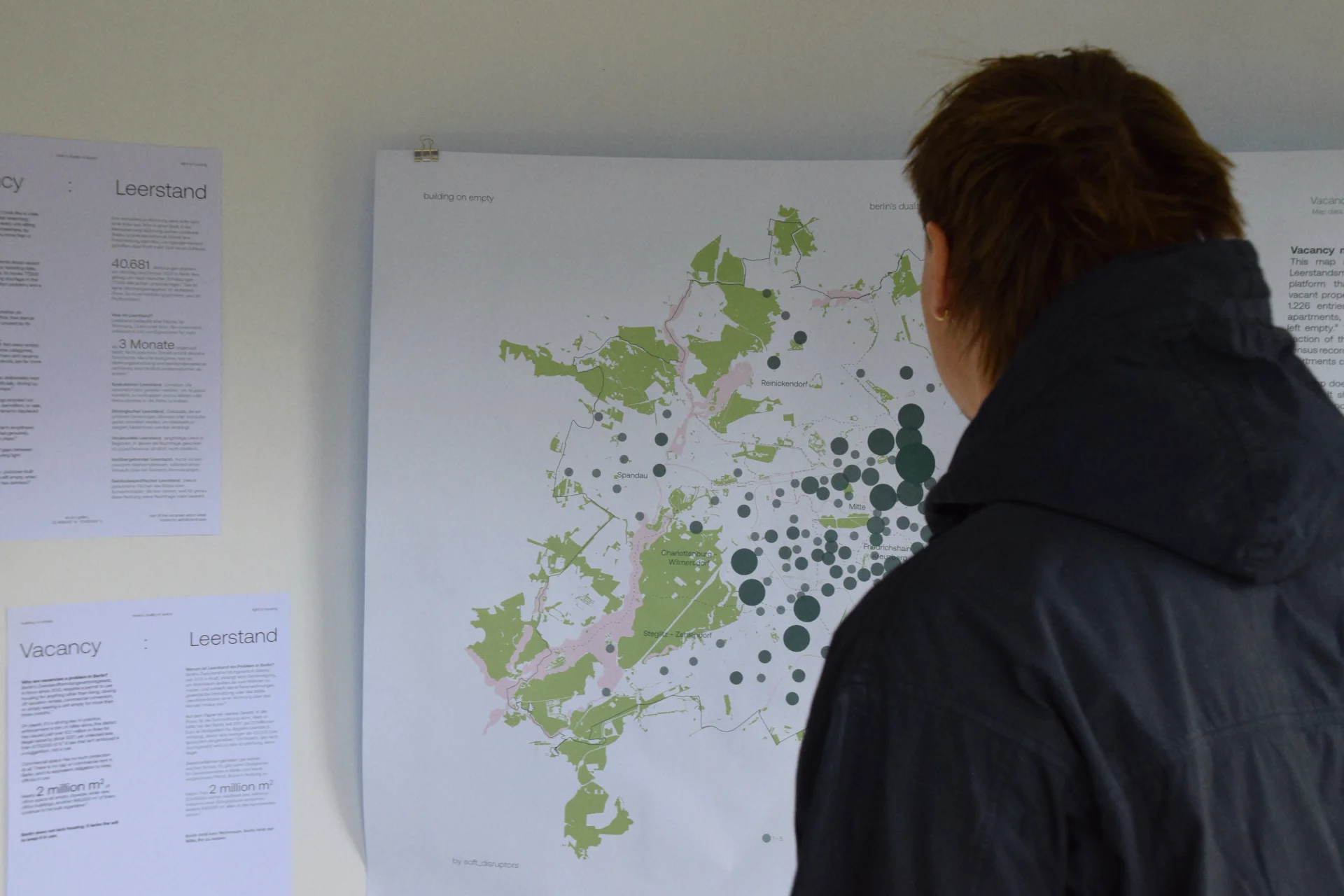
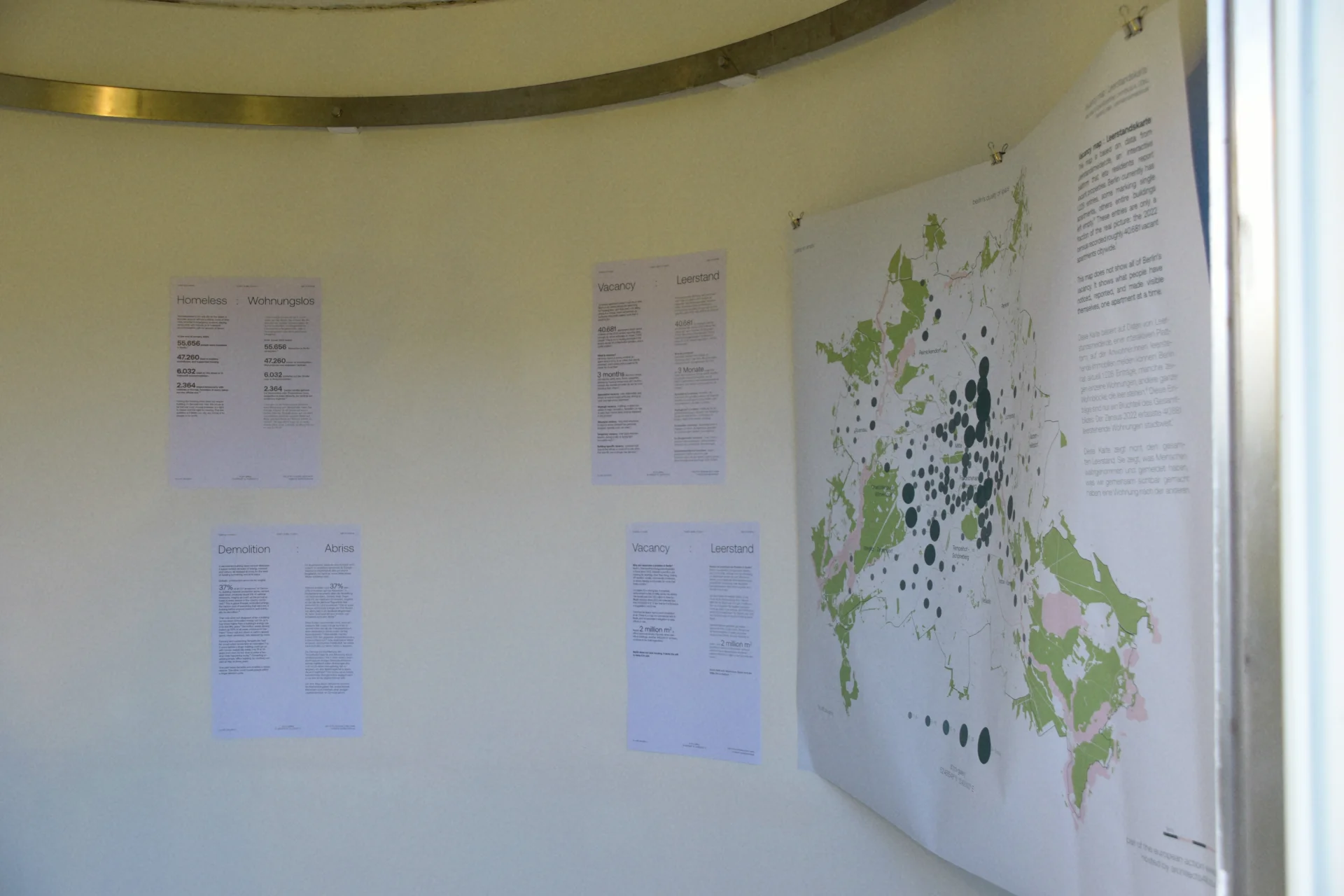
Although Berlin has a law against leaving a unit empty for longer than three months, the enforcement of it is thin. Commercial spaces are not included in this law, meaning there is no obligation to keep them in use. Nearly 1.94 million m2 of office space sat empty in 2026.
Berlin does not lack housing; it lacks the will to keep it in use.
Fullness
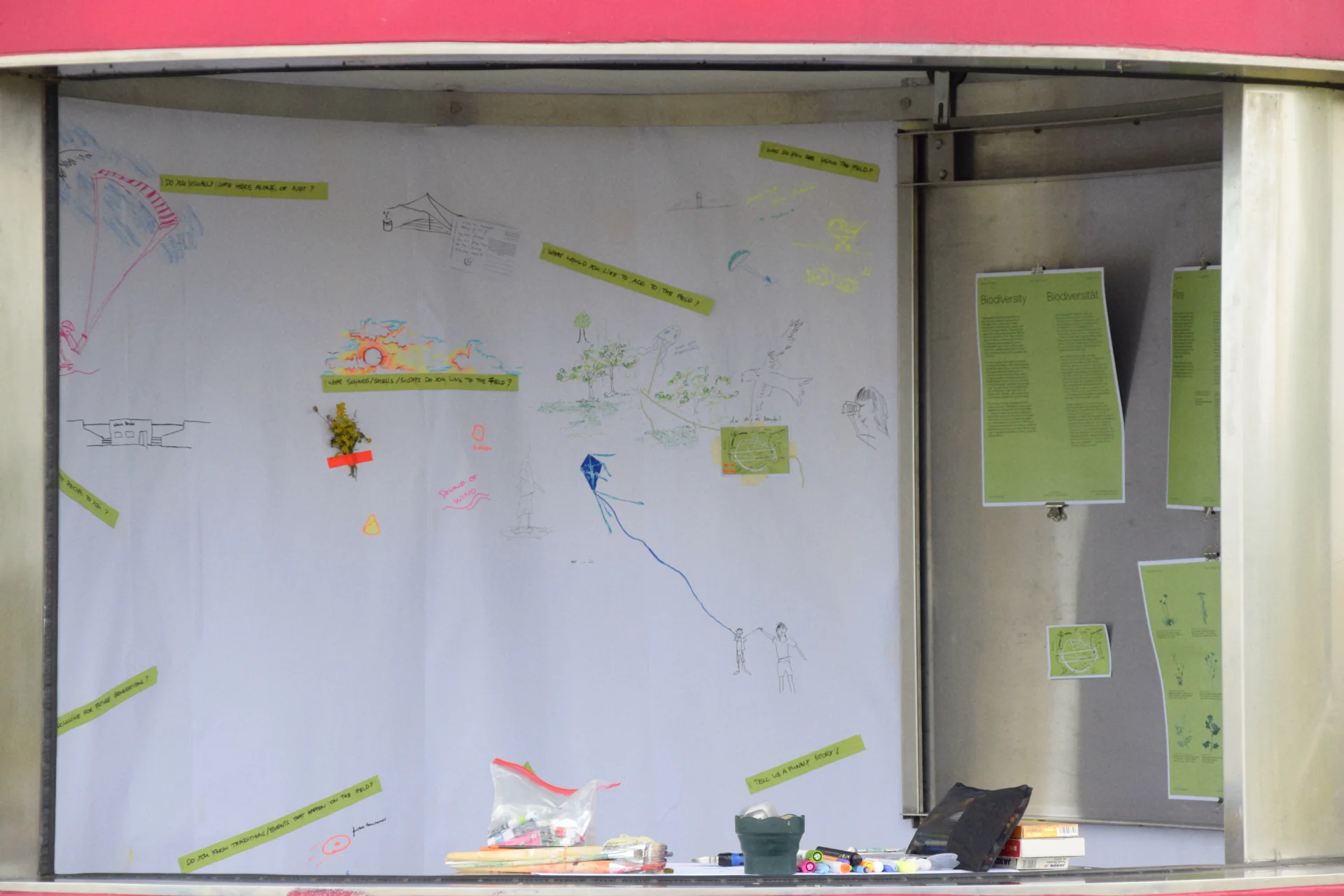
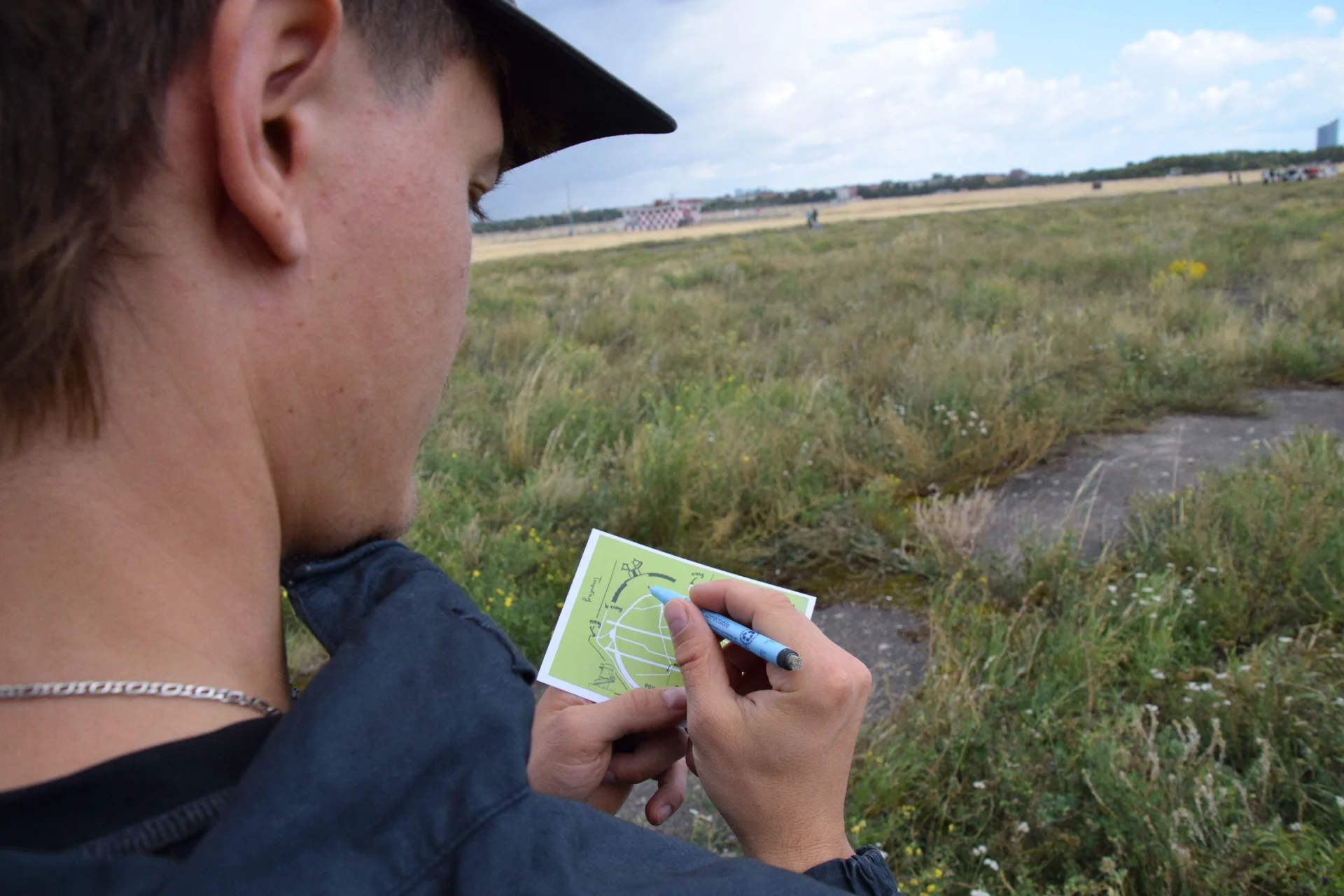
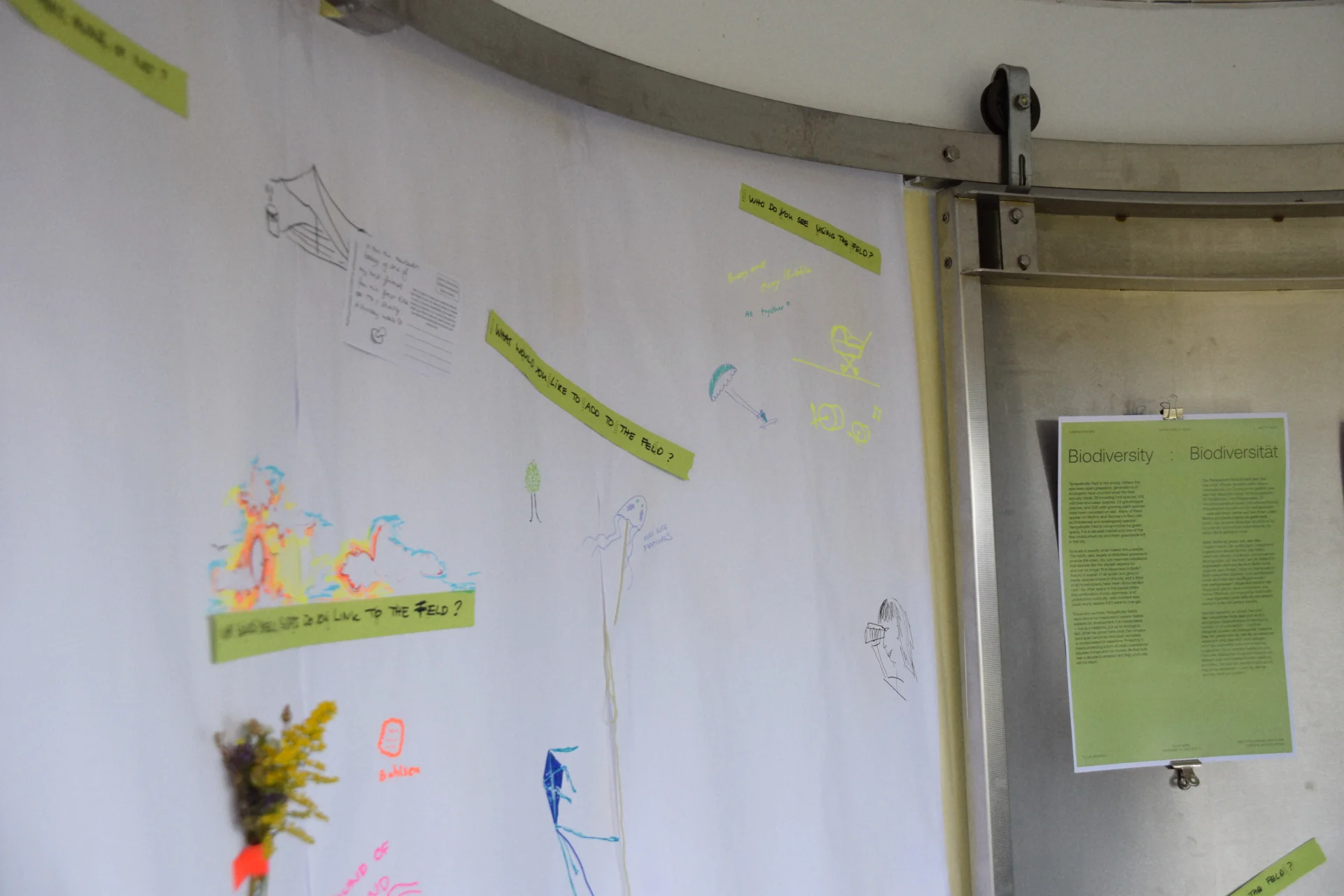
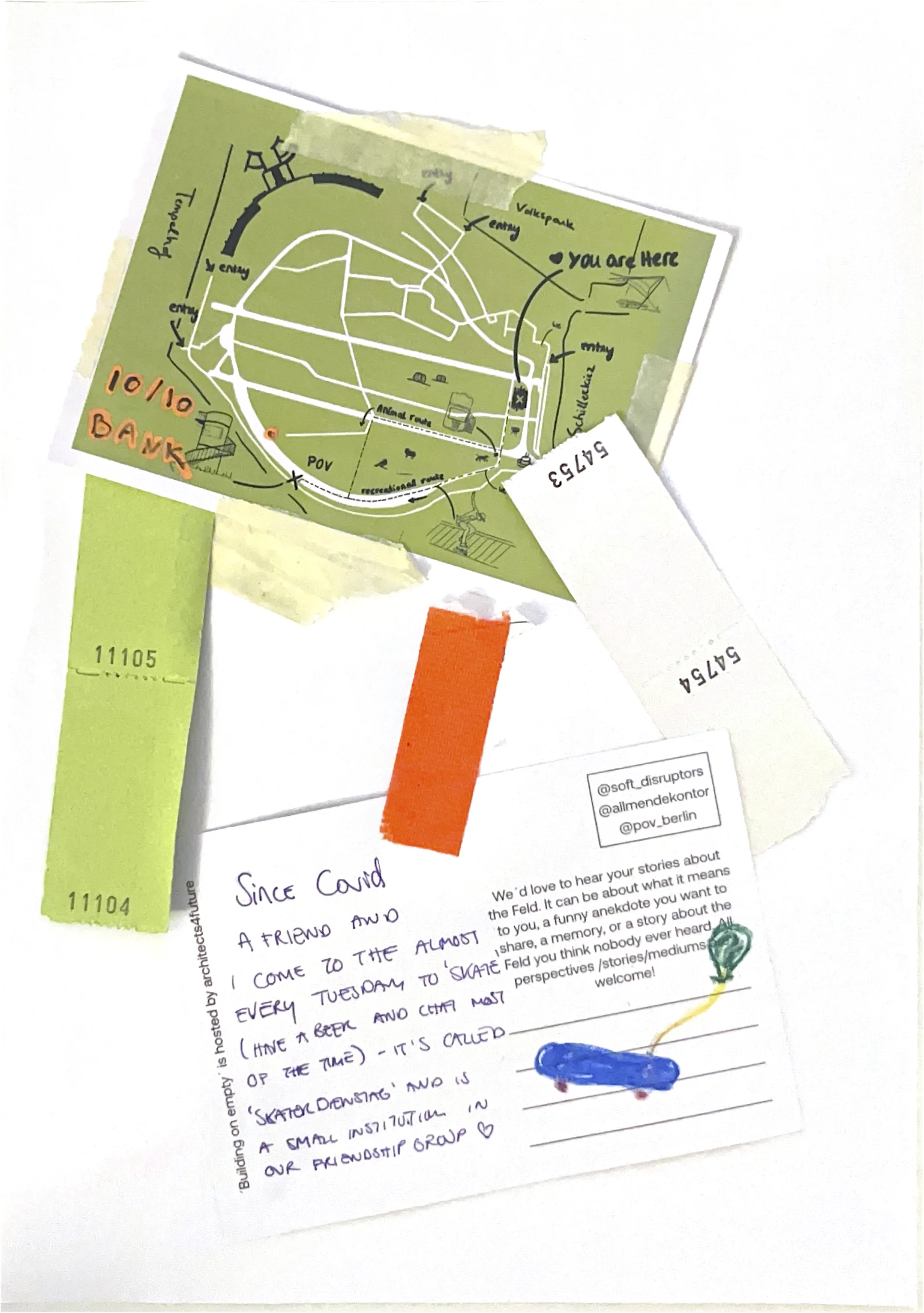
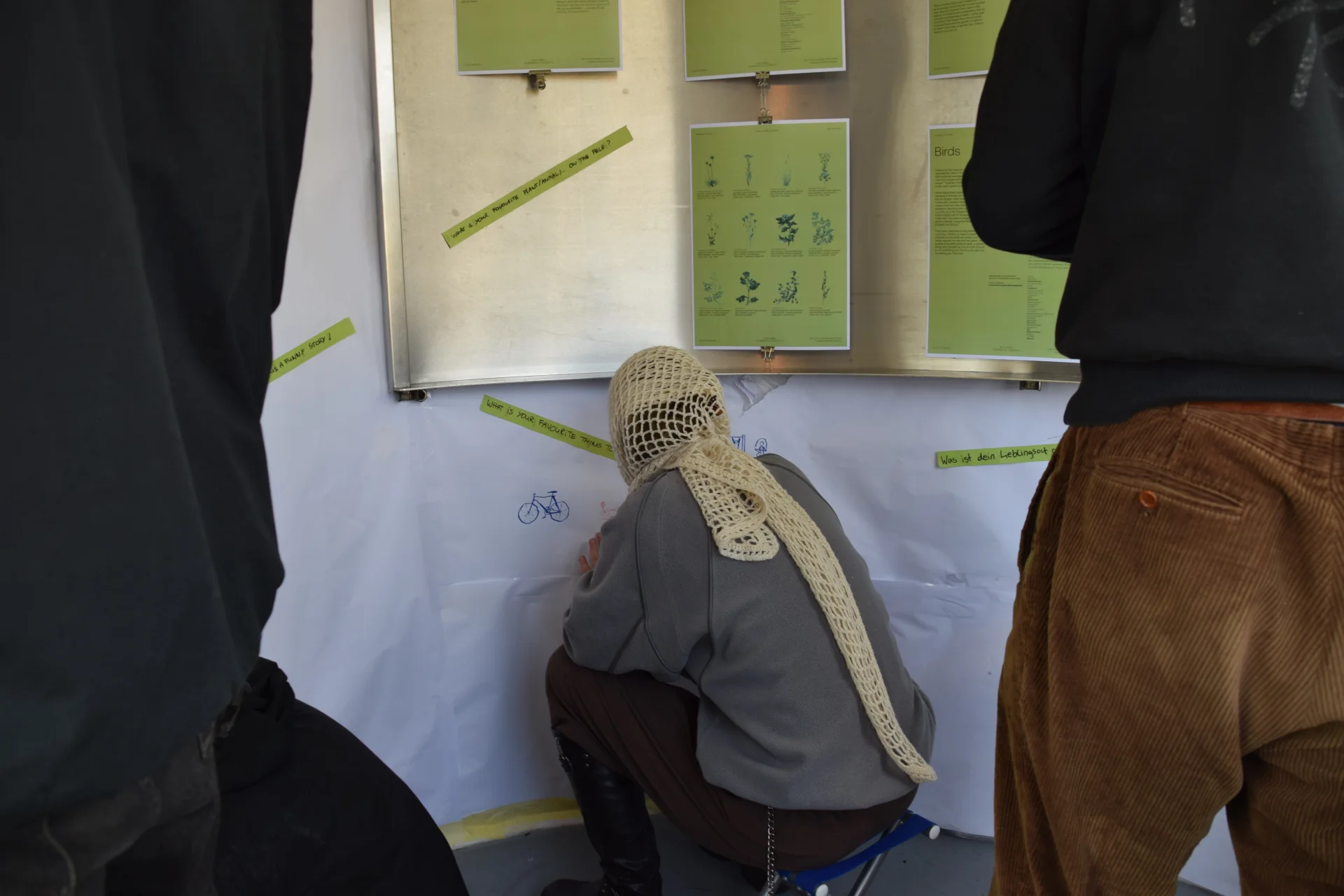
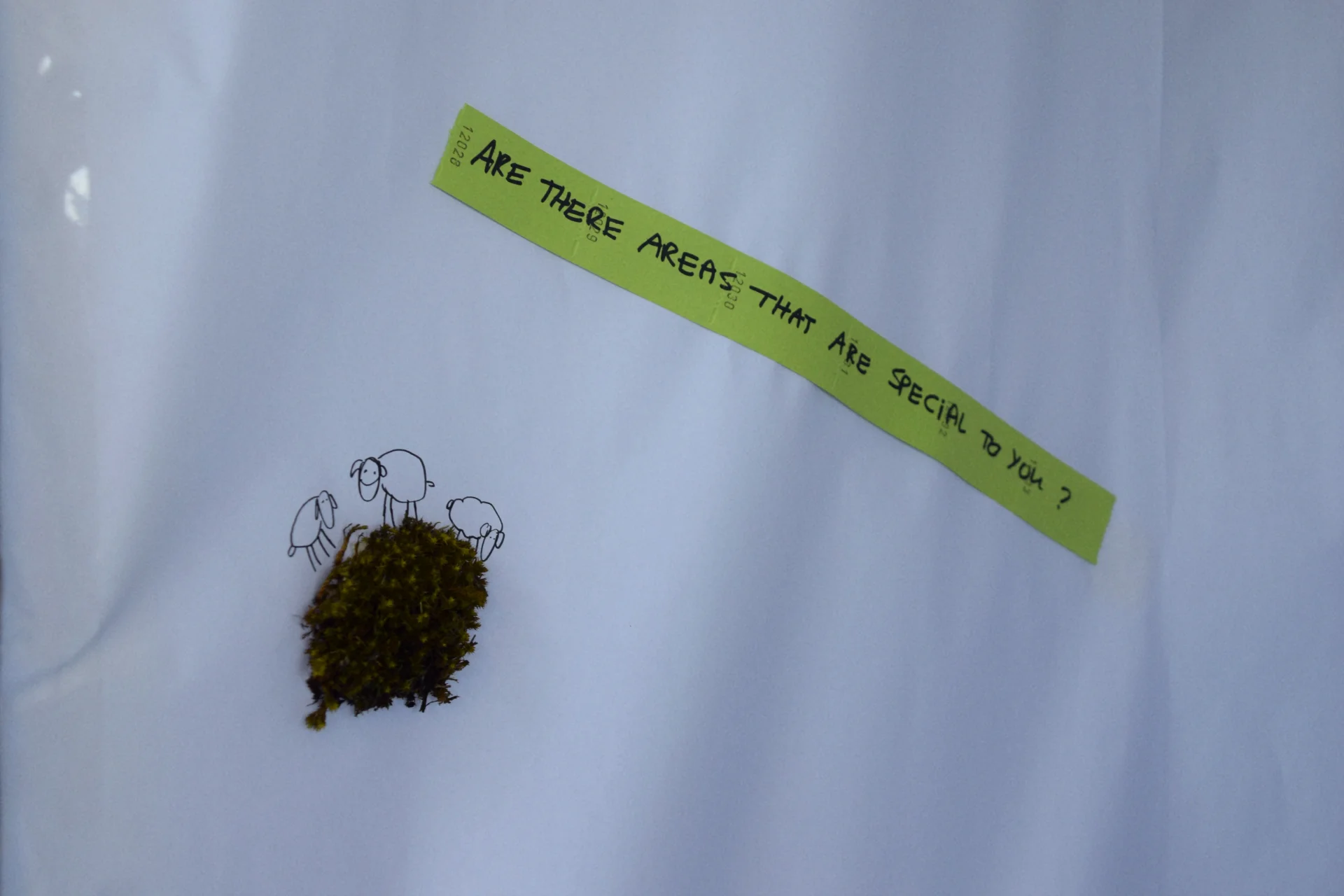
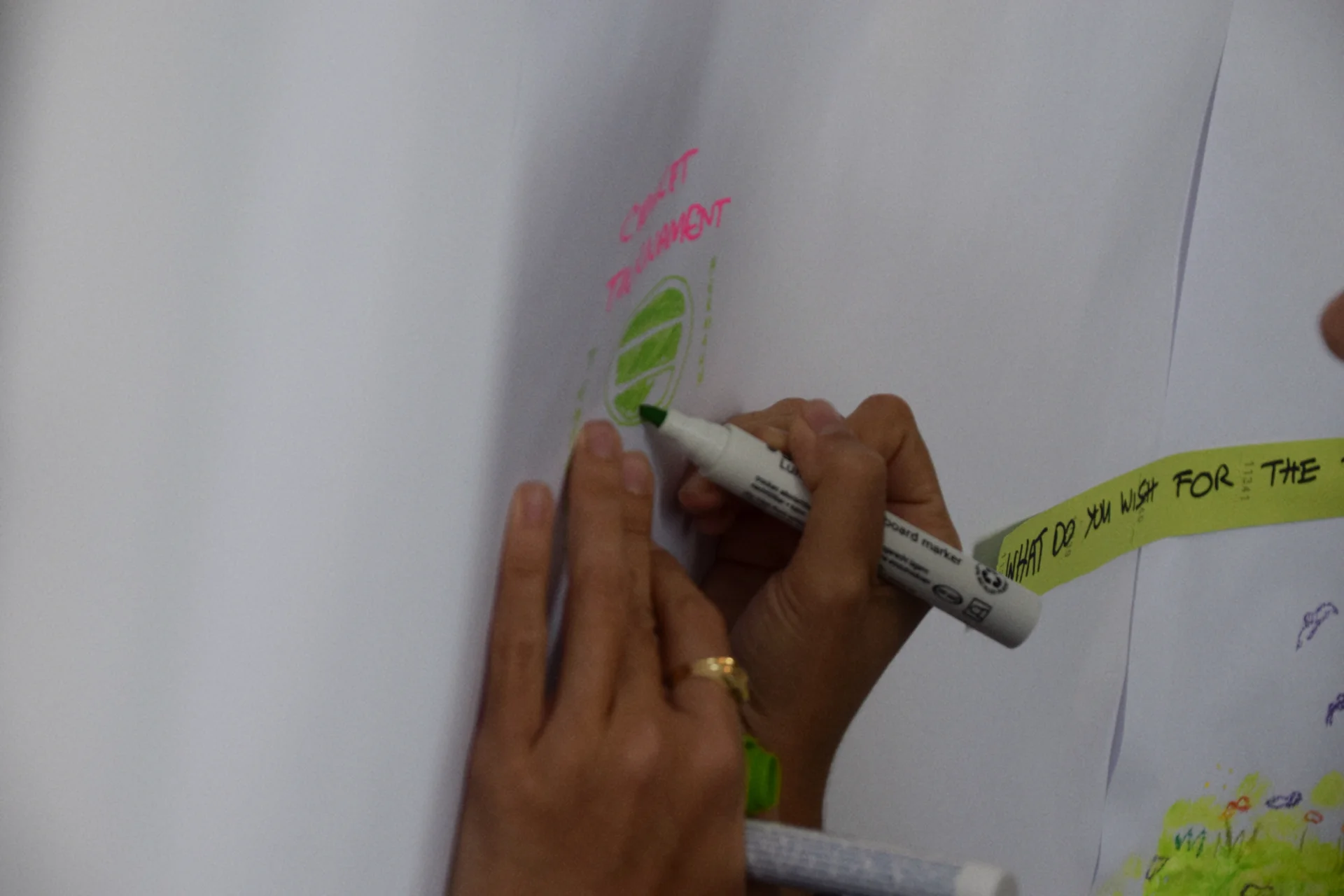
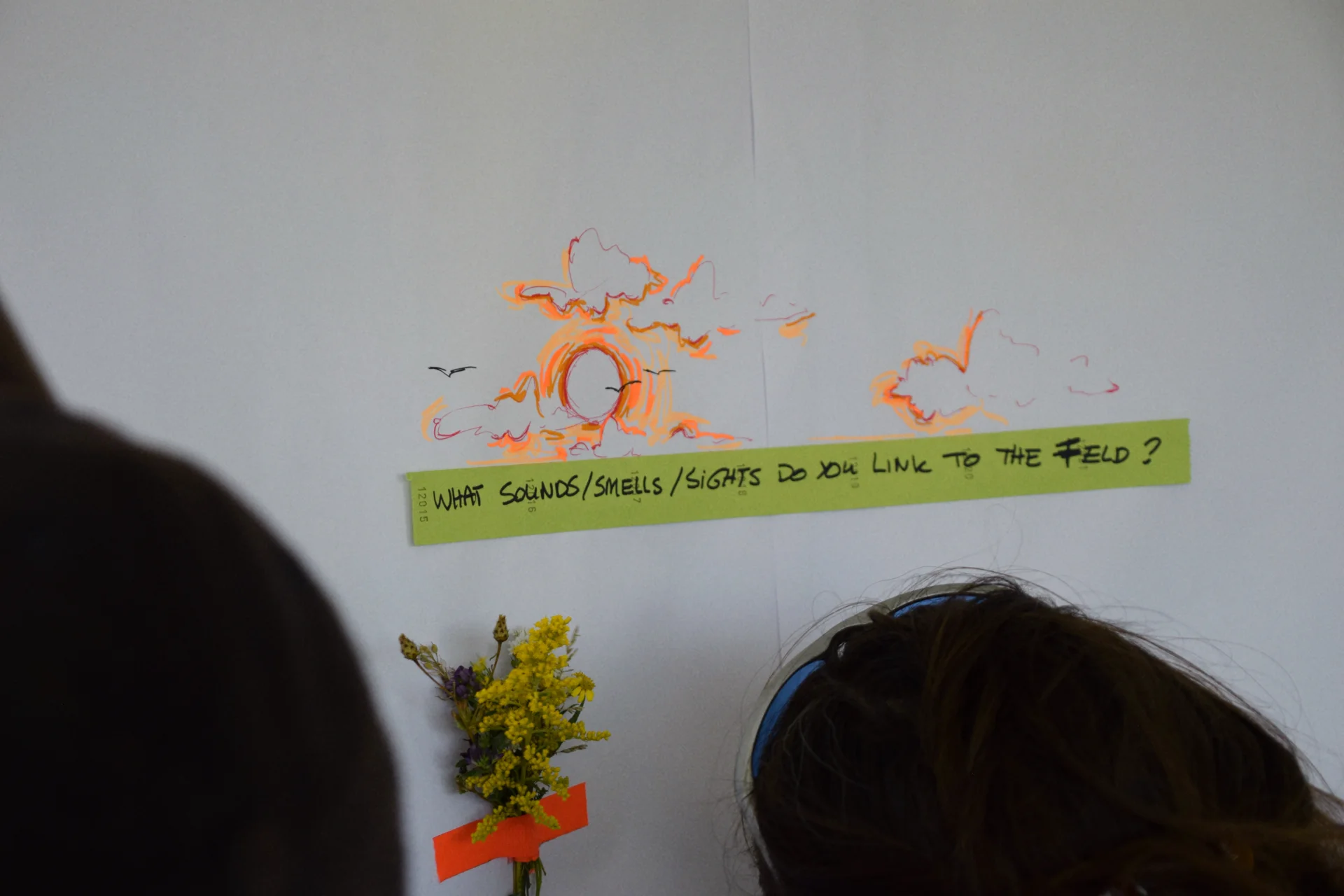
On the ground floor, a collective archive contrasted the Feld's reputation of ‚emptiness‘. Visitors had the opportunity to leave a piece of memory made on the Feld: their favorite bench, a newfound tradition, the smell of Balsen waffles, a Sunday habit. This hung alongside information on biodiversity, endangered species of birds, wild bees, and plants that have a home on Tempelhofer Feld. This room made visible a coexistence and mutual respect between human and nature, the kind too easily lost in cities. The room argued against the political narrative that calls Tempelhofer Feld empty, unused, available.
Credits
concept: Amber Coppens, Gosia Rybak, Jacob Steinberg, Wanda Wahl-Mertes
build-up: Amber Coppens, Jacob Steinberg, Wanda Wahl-Mertes
photos: Amber Coppens
hosted by: architects4future
collective: soft_disruptors